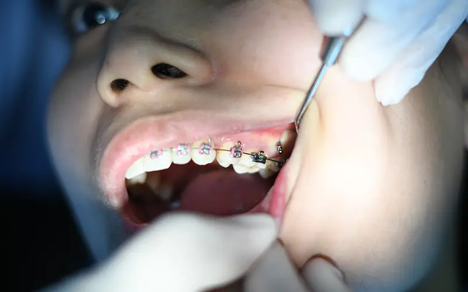
Do Braces Hurt? What to Expect During Each Stage of Treatment
Let’s be honest, the question almost every new braces patient asks (or secretly Googles at midnight) is: do braces hurt? It’s completely natural to wonder. You’re about to have metal brackets bonded to your teeth, and wires threaded through them. That sounds intense, right? But here’s the reassuring truth: braces are far less painful than most people imagine. Yes, there is some discomfort involved, but it’s manageable, temporary, and absolutely worth it for the smile waiting on the other side.
This guide walks you through every stage of orthodontic treatment so you know exactly what to expect, when to expect it, and how to feel better fast. No sugarcoating, no scary stories, just honest, helpful information to prepare you for the journey ahead.
How Do Braces Move Your Teeth?
Before diving into the discomfort timeline, it helps to understand what’s actually happening inside your mouth. The answer lies in controlled, consistent pressure. Each bracket is bonded to a tooth, and the arch wire connecting them applies a gentle force in a targeted direction. Over time, this pressure causes the bone tissue surrounding your tooth roots to break down on one side and rebuild on the other, a biological process called bone remodeling.
It’s a slow, steady process. Your teeth aren’t being yanked into place overnight. They’re being guided gradually, which is exactly why treatment takes months rather than days. That sustained pressure is also why you feel some soreness after certain appointments. Your mouth is doing real, meaningful work, even when you’re just sitting at home watching your favorite show. Understanding this process makes the discomfort feel a lot less alarming and a lot more purposeful.
Getting Your Braces Put On: What the First Day Feels Like
The actual process of getting braces bonded to your teeth is painless. Your orthodontist cleans and dries your teeth, applies a bonding agent, places the brackets, and threads the wire. No drills. No needles. No sharp pain during the procedure itself. Many patients are genuinely surprised by how smooth and quick it is.
So when does the discomfort start? Usually, a few hours after you leave the office. As the wire begins applying pressure, you’ll notice a dull, achy sensation, your teeth may feel tender when biting, and even soft foods can feel uncomfortable that first evening. Your lips and cheeks may also feel a little raw as they adjust to the new brackets pressing against them.
This initial soreness is temporary. Most patients feel the biggest discomfort in the first three to five days after getting braces placed. After that, your mouth adapts, sensitivity fades, and things become significantly more comfortable. The hardest part of braces, for most people, is simply that very first week.
Not sure if braces are the right fit for you? The team at Smile By Dr. K offers personalized consultations to walk you through every option available. Reach out today and take the first step toward creating a smile you’ll love without any pressure!
When Do Braces Hurt the Most? A Stage-by-Stage Breakdown
Understanding the full timeline helps you mentally prepare and take better care of yourself throughout treatment. Here’s a clear look at what each phase typically feels like:
Stage 1: The First Week
This is the peak of initial discomfort. Your teeth have never experienced orthodontic pressure before, so the first few days can feel the most intense. Expect soreness while chewing, sensitivity when your teeth touch, and some irritation on the inside of your cheeks as they toughen up against the brackets. Stick to soft foods and be patient with yourself; this phase passes faster than you think.
Stage 2: Your First Adjustment Appointment
Your first dental adjustments usually happen four to eight weeks after your braces are placed. During this visit, your orthodontist tightens or replaces the wire to continue moving your teeth in the right direction. You’ll likely feel soreness again for about two to four days after each adjustment. Many patients say it actually gets easier over time because they know exactly what’s coming and how to handle it.
Stage 3: Mid-Treatment
Once you’re several months into treatment, your teeth have shifted noticeably, and your mouth has adapted to the whole process. Most patients report that dental adjustments during mid-treatment cause very little discomfort. The soreness window shortens, and life with braces starts to feel completely normal. You stop noticing the brackets. You stop thinking about the wire. It just becomes part of your routine.
Stage 4: Elastic Bands and Additional Appliances
If your treatment plan involves rubber bands or other corrective appliances, you may notice new pressure sensations when these are introduced. It’s not a sharp pain, more of a tightness or heaviness that fades within a day or two. By this point, your mouth has already learned to handle orthodontic pressure, so the adjustment is much quicker.
Stage 5: Nearing the End of Treatment
As your teeth approach their final positions, adjustments become more subtle and targeted. Discomfort at this stage is usually minimal, a mild awareness of pressure rather than actual soreness. Most patients are genuinely surprised by how little they feel during the home stretch of treatment.
Stage 6: Braces Removal Day
Taking braces off is also painless. You may feel some pressure as the brackets are removed and a bit of sensitivity as the bonding material is polished off your enamel. But most patients walk out grinning ear to ear without any real discomfort. It’s one of the best days of the entire journey.
How Long Does Bracing Pain Last?
It depends on the individual, but there’s a very predictable pattern. After getting braces placed, soreness peaks around day two or three and typically fades by day five to seven. After each adjustment, discomfort usually lasts two to four days before subsiding completely.
Over the full course of treatment, those painful periods add up to only a small fraction of your total time in braces. Most patients experience noticeable soreness for just a few days per month. The rest of the time, braces are simply there, doing their quiet, steady work without causing any pain at all. That’s a reality most people don’t realize going in, and it makes a huge difference in how you feel about the whole process.
Are Braces More Painful for Adults?
This is one of the most common concerns adult patients bring up during consultations. Slightly, yes, and here’s the honest reason why. Adult bone tissue is denser and less flexible than that of a growing child or teenager. Because it responds to orthodontic pressure a bit more slowly, adults may notice slightly more soreness after adjustments, and treatment timelines can run a little longer.
That said, “more painful” is a relative term, and it certainly doesn’t mean unmanageable. Adults who get braces consistently describe the discomfort as very tolerable. The emotional reward of transforming a smile they’ve been self-conscious about for years far outweighs a few days of soreness per month. Modern orthodontic technology has also made treatment gentler than ever, using lighter, more flexible wires that apply steady, low-force pressure rather than aggressive tension. It’s a far more comfortable experience than braces were even a decade ago.
Practical Tips to Manage Bracing Discomfort
You don’t have to simply wait out the soreness. These easy, everyday strategies genuinely help:
● Soft foods first: Stick to mashed potatoes, yogurt, scrambled eggs, smoothies, oatmeal, and soup after getting braces or following an adjustment. Avoid anything hard or crunchy.
● Pain relievers: Ibuprofen or acetaminophen can effectively take the edge off. Take them as directed, ideally before soreness peaks for the best results.
● Orthodontic wax: Roll a small piece over any scratchy or sharp bracket to create a smooth barrier between the metal and your cheek tissue, stopping sores before they form.
● Saltwater rinses: Mix half a teaspoon of salt into warm water and swish slowly for 30 seconds. Repeat a few times a day to soothe irritated gums and mouth tissue.
● Cold foods and drinks: A cold glass of water or an ice-cold smoothie right after an adjustment can numb soreness almost immediately, simple, quick, and effective.
Conclusion
So, do braces hurt? The honest answer is: a little, sometimes, and never unbearably. The soreness is predictable, manageable, and short-lived, and it comes with the very clear reward of a straighter, healthier, more confident smile. Armed with the right expectations and a few simple comfort strategies, most patients move through treatment far more easily than they ever imagined.
If you’ve been putting off orthodontic care out of fear of pain, let this be the reassurance you needed. The discomfort is real, but it’s small in comparison to what you gain on the other side.
Thinking about starting your own journey towards building a smile you will love? At Smile By Dr. K, every patient receives personal, compassionate care tailored to their needs. Contact our team today to learn more about our teeth braces treatment prices and find the option that works best for you. A confident, beautiful smile is closer than you think!